

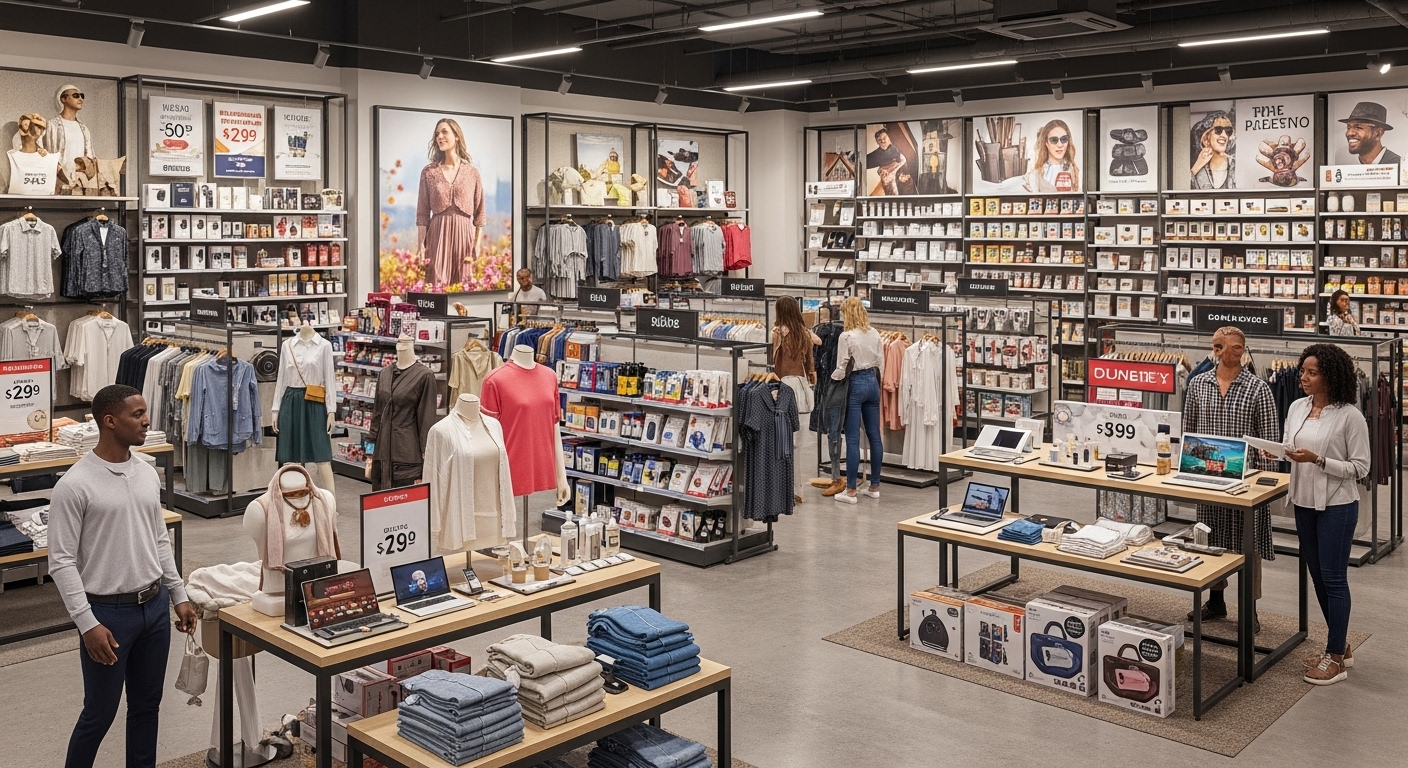
Retail success depends on more than just having quality products. The way those products are presented, stocked, and managed inside a store plays a major role in influencing customer decisions. This is where retail merchandising services come into the picture.
From improving product visibility to ensuring shelves are properly stocked, merchandising services help retailers create a seamless shopping experience that drives sales and customer satisfaction.
Understanding Retail Merchandising Services
At its core, retail merchandising services refer to a range of activities focused on product presentation and in-store execution. These services ensure that products are displayed correctly, inventory is maintained, and promotional strategies are implemented effectively.
According to retail industry research, nearly 70 percent of purchase decisions are made in-store, often influenced by how products are positioned and displayed. This highlights the importance of strong merchandising practices in physical retail environments.
Merchandising is not just about arranging products. It involves strategic planning, data analysis, and consistent execution to align with consumer behavior.
Key Components of Retail Merchandising Services
Retail merchandising covers multiple functions that work together to improve store performance.
1 Product Placement and Display
Proper placement ensures that high-demand and high-margin products are easily visible. Eye-level shelving, end caps, and promotional displays are commonly used to attract attention.
2 Inventory Management
Maintaining optimal stock levels is essential. Overstocking leads to wasted space, while understocking results in missed sales opportunities.
3 Planogram Implementation
Planograms are visual diagrams that dictate product placement. They help maintain consistency across multiple store locations and ensure brand guidelines are followed.
4 Pricing and Labeling Accuracy
Incorrect pricing can negatively impact customer trust. Merchandising teams ensure labels are accurate and updated regularly.
5 Promotional Execution
Seasonal promotions, discounts, and product launches require proper setup to be effective. Merchandising services ensure these campaigns are visible and well-organized.
Types of Retail Merchandising Services
Different types of merchandising services are used depending on the retail environment and business goals.
1 In-Store Merchandising
This focuses on physical store presentation, including shelf organization, signage, and product arrangement.
2 Visual Merchandising
Visual merchandising emphasizes aesthetics. It includes window displays, lighting, and store layouts designed to enhance the shopping experience.
3 Field Merchandising
Field teams visit multiple store locations to ensure consistency in execution and compliance with brand standards.
4 Digital Merchandising
Although traditionally associated with physical stores, merchandising also extends to online platforms. Product placement, recommendations, and layout optimization play a similar role in e-commerce.
Businesses investing in retail merchandising services often combine these approaches to create a unified brand experience.
How Retail Merchandising Services Work
The process behind merchandising services involves several structured steps.
1 Assessment and Planning
Merchandising teams analyze store layouts, customer behavior, and sales data to create a strategy.
2 Execution
This includes setting up displays, organizing shelves, and implementing planograms.
3 Monitoring and Optimization
Performance is tracked using sales data and customer feedback. Adjustments are made to improve results.
4 Reporting
Detailed reports help retailers understand what is working and where improvements are needed.
This systematic approach ensures that merchandising efforts are aligned with business goals.
Benefits of Retail Merchandising Services
Investing in retail merchandising services offers measurable advantages for retailers.
1 Improved Sales Performance
Strategic product placement increases visibility, which can directly influence purchasing decisions.
2 Better Customer Experience
Organized and visually appealing stores make it easier for customers to find products, improving satisfaction.
3 Efficient Inventory Control
Proper stock management reduces waste and ensures the availability of popular items.
4 Stronger Brand Consistency
Standardized displays and layouts help maintain a consistent brand image across locations.
5 Data-Driven Decisions
Merchandising strategies are often backed by data, allowing businesses to make informed improvements.
Read More: Top Benefits of Using 3PL Services for Your Business
Challenges in Retail Merchandising
Despite its benefits, merchandising comes with its own set of challenges.
1 Inconsistent Execution
Maintaining uniformity across multiple locations can be difficult without proper oversight.
2 Changing Consumer Behavior
Customer preferences evolve quickly, requiring constant updates to merchandising strategies.
3 Operational Costs
Hiring skilled teams and maintaining regular store visits can increase expenses.
4 Inventory Fluctuations
Supply chain disruptions can affect product availability, impacting display plans.
Addressing these challenges requires a structured approach and experienced teams.
Trends Shaping Retail Merchandising Services
Retail merchandising continues to evolve with changes in technology and consumer expectations.
1 Data and Analytics Integration
Retailers are using data to understand customer behavior and optimize product placement.
2 Omnichannel Merchandising
Consistency between online and offline experiences is becoming increasingly important.
3 Technology Adoption
Tools like smart shelves and digital displays are enhancing in-store experiences.
4 Sustainability Focus
Eco-friendly displays and reduced packaging are gaining attention among modern consumers.
Businesses leveraging these trends can improve efficiency and stay competitive in the market.
How to Choose the Right Retail Merchandising Service Provider in NY and NJ
Selecting the right partner is essential for achieving desired results.
1 Experience and Expertise
Look for providers with a proven track record in your industry.
2 Scalability
The ability to handle multiple locations is important for growing businesses.
3 Technology Integration
Modern tools and reporting systems improve efficiency and transparency.
4 Customization
Services should be tailored to specific business needs rather than using a one-size-fits-all approach.
A reliable provider ensures consistent execution and measurable outcomes.
Conclusion: Building Strong Retail Experiences
Why Businesses Rely on Brothers Fix
Retail environments are becoming increasingly competitive, making effective merchandising more important than ever. Businesses need structured, data-driven approaches to ensure their products stand out and reach customers effectively.
Brothers Fix focuses on delivering practical merchandising solutions that align with retail objectives. By emphasizing consistency, execution quality, and operational efficiency, the approach supports businesses in maintaining organized and high-performing retail spaces.
For companies aiming to improve in-store performance and customer engagement, investing in professional retail merchandising services is a strategic step toward long-term growth.